Table of contents
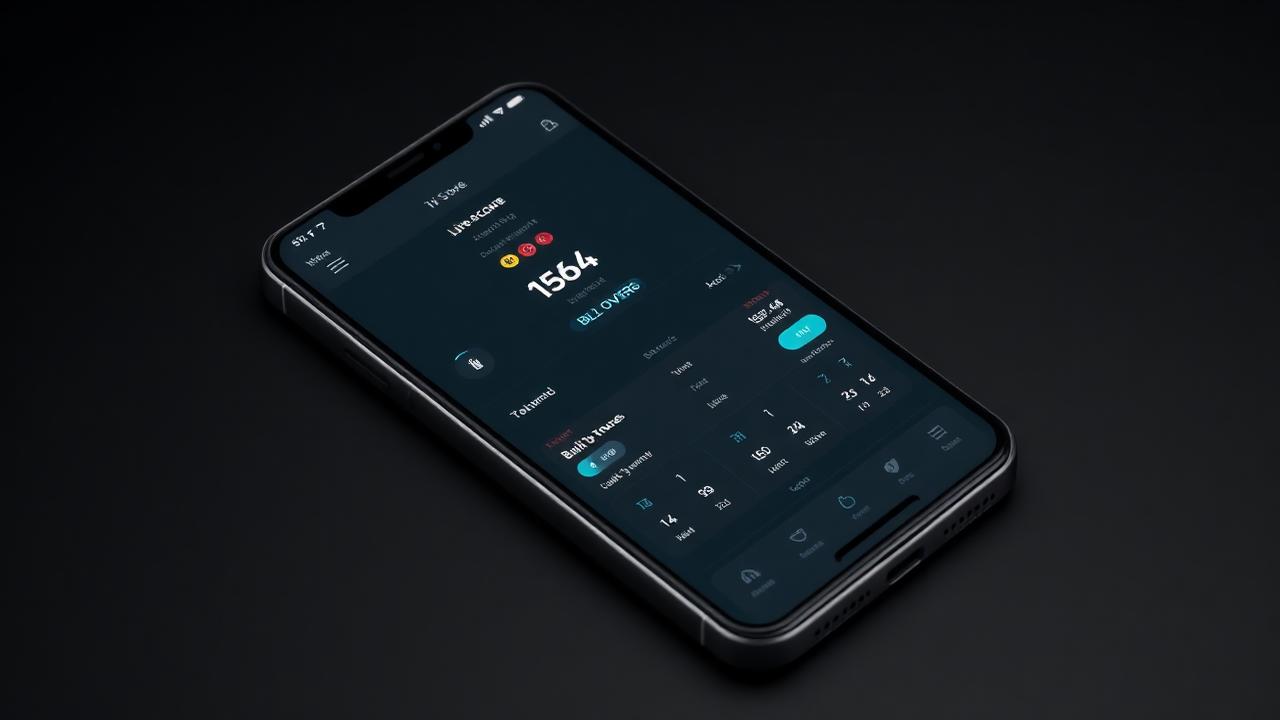
Modern matches move fast, and relying on paper scorebooks or clumsy spreadsheets is no longer enough to manage a tournament. Modern clubs, school leagues, and grassroots organizers depend on cricket scoreboard software to track ball-by-ball action, calculate complex match conditions, and deliver live numbers directly to players, spectators, and broadcast streams.
Whether you run an international-standard weekend league or a community tape-ball championship under streetlights, digital scoring bridges the gap between field play and digital presentation.
Quick answer: What is cricket scoreboard software?
Cricket scoreboard software is a digital application that tracks ball-by-ball events—such as runs, extras, dismissals, and bowling spells—and instantly updates match tallies, individual player statistics, and live score displays. Modern platforms operate directly on mobile phones, tablets, or web browsers, allowing organizers to generate live stream graphics, manage tournament tables, and publish ball-by-ball updates to spectators without buying dedicated electronic score hardware.
---
The shift from physical boards to digital scoring systems
For decades, recreational cricket relied on manual scoreboxes: heavy wooden numbers flipped by hand, mechanical roll-down shutters, or costly fixed LED scoreboards wired to pavilion controllers. While electronic hardware still serves professional grounds, it presents three major hurdles for grassroots organizers: high cost, lack of portability, and zero integration with mobile audiences.
When an umpire calls a wide or a batter edges to the keeper, that data should not stay trapped in a physical scorebox. It needs to reflect across several points simultaneously:
- The pavilion display or sideline monitor.
- The viewer stream on platforms like YouTube or Facebook.
- The league table, where points and Net Run Rate are instantly calculated.
- The career profiles of the players involved.
Cricket scoreboard software replaces fragmented workflows with a unified hub. Instead of stationing one person on a paper book and another running a remote control for an LED board, a single scorer entering data on a smartphone powers the entire match ecosystem.
---
What to look for in modern cricket scoreboard software
Not all scoring platforms are built for the unpredictability of local and community cricket. When evaluating scoring tools for your league or club, prioritize the following capabilities.
1. Offline reliability with cloud synchronization
Cricket grounds often lack reliable cellular connections. An unexpected network drop during the 14th over should never crash your scoring ledger or lose player figures.
Top-tier platforms save match states locally on the device. Scorers can log consecutive deliveries, register wickets, and manage field changes completely offline. Once a data connection or Wi-Fi signal is re-established, the software automatically syncs the match ledger to the central server without corrupting the scorecard.
2. Native broadcast overlays for live streaming
Live streaming is no longer exclusive to televised professional leagues. Independent creators and local clubs routinely broadcast games on social channels.
Traditional broadcast setups required expensive hardware vision mixers or dedicated character generators. Modern cricket software generates real-time browser source overlays (lower thirds, score bugs, player cards, and target summaries) that plug straight into OBS Studio, vMix, or mobile streaming rigs. When the scorer logs a boundary, the on-screen graphic updates instantly.
To see how broadcast overlays fit into your camera setup, explore our detailed guide on how to live stream a cricket match.
3. Automated tournament math and standings
Calculating Net Run Rate manually across a six-team group stage is tedious and prone to human error. A capable software package automatically compiles match figures into a dynamic points table.
As soon as the winning runs are hit, the standings recalculate total overs faced, runs conceded, and bonus points. For a deeper look at the arithmetic driving these tables, read our breakdown on how to calculate Net Run Rate.
4. Support for non-standard playing formats
Most legacy club software forces users into strict MCC or county cricket templates. But millions of recreational cricketers play tape-ball, tennis-ball, indoor, or shortened gully matches where playing conditions differ:
- Fast-paced 5-over shootouts (F5) or T10 tournaments.
- Limits on bowler overs that do not divide evenly into total match overs.
- Custom extra penalties for wides and no-balls (such as re-bowling rules or awarding runs without an extra delivery).
- Last-man-stands or continuous-batting formats.
Your platform must let you customize playing conditions before the coin toss instead of forcing rigid standard regulations.
5. Instant mobile access for fans
Modern spectators expect live match updates on their own devices. Software that publishes a clean, responsive web link allows family, teammates, and league followers to track scores in real time without downloading hefty desktop applications or registering for private portals.
---
Step-by-step: Running a match with cricket scoreboard software
Setting up digital scoring should take minutes, not hours. Here is the operational workflow from pre-match setup through post-game sign-off.
Step 1: Build rosters and configure teams
Before match day, create your team profiles and register your player rosters. Input player names, primary roles (batter, bowler, all-rounder, wicketkeeper), and squad numbers. With platforms like Run & Ball, you can paste player lists in bulk to speed up registration.
Step 2: Establish the match conditions
Select the format: standard T20, 40-over club match, T10, or a custom overs game. Set specific match regulations:
- Overs per bowler limit.
- Run value for wides and no-balls.
- Powerplay overs and fielding restrictions.
- Re-bowling rules for extras in final overs.
If you are running an entire league rather than a one-off friendly, refer to our comprehensive cricket tournament checklist to make sure schedules, umpires, and venues are fully coordinated.
Step 3: Conduct the toss and select the playing XI
Log the toss winner and their decision to bat or bowl. Select the active playing XI from your registered squad, designate the wicketkeeper and captain, and assign the opening batters and bowler.
Step 4: Record ball-by-ball action
Scoring requires simple taps for common deliveries:
- Tap the run value (0, 1, 2, 3, 4, 6).
- Flag extras using dedicated buttons for Wide, No-Ball, Bye, and Leg-Bye.
- Tap the Wicket icon to record dismissals, specifying dismissal type (bowled, caught, LBW, run out, stumped) and the fielder involved.
- Use the built-in "Undo" tool to fix errors immediately without disrupting subsequent deliveries.
Step 5: Deliver live graphics to your stream
If broadcasting, generate your unique scoreboard overlay URL from the software dashboard and paste it as a browser source into OBS Studio. The software will render lower thirds, boundary splash cards, and milestone alerts over your video feed in real time.
Step 6: Finalize the match and archive data
Once the final wicket falls or the target is reached, verify the match summary with the standing umpires. Conclude the fixture to lock the record. The system instantly:
- Updates individual player batting, bowling, and fielding averages.
- Adjusts league standings and Net Run Rate.
- Creates shareable digital match summaries and certificates.
---
Desktop software vs. mobile-first solutions
Cricket scoring tools historically ran on dedicated Windows laptops sitting inside scoreboxes. While desktop tools offered comprehensive control, they brought clear limitations: they were tethered to power outlets, vulnerable to weather, and difficult to transport to remote pitches.
| Feature | Legacy Desktop Tools | Modern Mobile Software (Run & Ball) |
|---|---|---|
| :--- | :--- | :--- |
| Device Flexibility | Heavy laptops, specific OS requirements | Any smartphone, tablet, or web browser |
| Power Needs | Continuous AC power or external battery packs | Standard mobile phone battery |
| Connectivity | Frequently requires active Wi-Fi or tethering | Fully offline scoring with background sync |
| Live Stream Overlays | Complex hardware capture cards or plugins | Direct browser-source URL for OBS/vMix |
| Spectator Access | Static exports or delayed web uploads | Real-time live ball-by-ball web view |
| Cost | Upfront licenses or annual subscriptions | Free to access core tools |
Shifting to mobile-first platforms lets clubs score games directly from the boundary rope, sideline benches, or clubhouses without setting up bulky desk stations.
---
Tournament management built into your scoreboard
Scoring an individual match is useful, but the real power of digital infrastructure shows when running multi-stage competitions. Instead of logging games in isolation and copying numbers into a separate tournament manager, your scoring application should handle the entire tournament lifecycle.
- Automated Scheduling: Generate fixtures across single-elimination, double-elimination, round-robin, or multi-group formats.
- Dynamic Standings: Matches automatically feed into the points table the second play concludes.
- Player Statistics Tracking: Maintain league leaderboards for the highest run-scorers (Orange Cap style), top wicket-takers (Purple Cap style), best strike rates, and most economical bowling spells.
- Disciplinary & Match Logs: Track umpire reports, player participation caps, and official match declarations within the same record book.
If you are planning an upcoming multi-team championship, follow our guide on how to organize a cricket tournament to design balanced groups and knockout stages.
---
Why Run & Ball is built for modern cricket
Run & Ball was engineered to remove the friction grassroots cricketers deal with every week. From park pitches across the UK and Australia to nighttime tape-ball tournaments across Pakistan, India, and the UAE, match environments demand flexible, robust tools.
- Zero-barrier setup: No complicated software installations, licensing hurdles, or hidden match-day fees. Open your browser or phone and start scoring instantly.
- Built for real-world field conditions: Full offline capability guarantees that remote locations or poor connectivity never interrupt scoring.
- Versatile match formats: Easily run standard club games, 6-a-side matches, T10 leagues, or late-night tape-ball tournaments with custom rules.
- Broadcast-grade stream graphics: Give grassroots productions the visual polish of televised cricket with automated, clean graphics overlays.
- Comprehensive career archiving: Automatically catalog every boundary, maiden over, and five-wicket haul across individual player profiles.
---
Explore live cricket and tournament tools
Run & Ball provides the features you need to manage your next league, stream your club fixtures, or track community games:
- Start a free tournament to build brackets, manage fixtures, and automate points tables.
- Browse all live matches to see real-time scorecards and active game feeds in action.
- Open the player directory to track leaderboards, career records, and squad lists.
More guides on cricket scoring and technology
- Cricket Scoring App: What to look for in a handheld scoring companion.
- Best Cricket Scoring App: Comparing key features for team scorers and umpires.
- Live Cricket Scoring App: How to deliver real-time ball-by-ball updates to online fans.
- Online Cricket Scoreboard: Best practices for publishing dynamic match displays for your club.
- Digital Cricket Scoreboard: Moving your pavilion and ground displays into the digital era.
Chennai Chargers
84/3
Overs 9.0 · CRR 9.33
Target 165
Need 81 in 66 balls
RRR 7.36
Manage your next cricket tournament with Run & Ball
- Live ball-by-ball scoring
- Auto fixtures & points table
- Player & team stats
- Free forever
People also ask
Reader comments(0)

Ready to run your next cricket tournament?
Score matches ball-by-ball, run fixtures, points tables and playoffs, and stream to OBS — all free from one phone.
Related articles
- Cricket Scoring
The Best Free Cricket Scoring App for 2026
Run & Ball is the free cricket scoring app trusted by tape-ball, club and tournament scorers across Pakistan, India and the UK.
- Cricket Scoring
Best Cricket Scoring App (2026) — Free & Reviewed | Run & Ball
Best Cricket Scoring App in 2026: features, pricing, free options and what actually works for clubs, schools, academies and local leagues.
- Cricket Scoring
Live Cricket Scoring App — Free Tool & Guide | Run & Ball
Live Cricket Scoring App: how Run & Ball gives you a free, mobile-first live cricket scoring app for clubs, schools, academies and local cricket leagues.
- Cricket Scoring
Online Cricket Scoreboard — Free Tool & Guide | Run & Ball
Online Cricket Scoreboard: how Run & Ball gives you a free, mobile-first online cricket scoreboard for clubs, schools, academies and local cricket leagues.
- Cricket Scoring
Digital Cricket Scoreboard — Free Tool & Guide | Run & Ball
Digital Cricket Scoreboard: how Run & Ball gives you a free, mobile-first digital cricket scoreboard for clubs, schools, academies and local cricket leagues.
- Cricket Scoring
Cricket Match Scoring System — Free Tool & Guide | Run & Ball
Cricket Match Scoring System: how Run & Ball gives you a free, mobile-first cricket match scoring system for clubs, schools, academies and local cricket leagues.